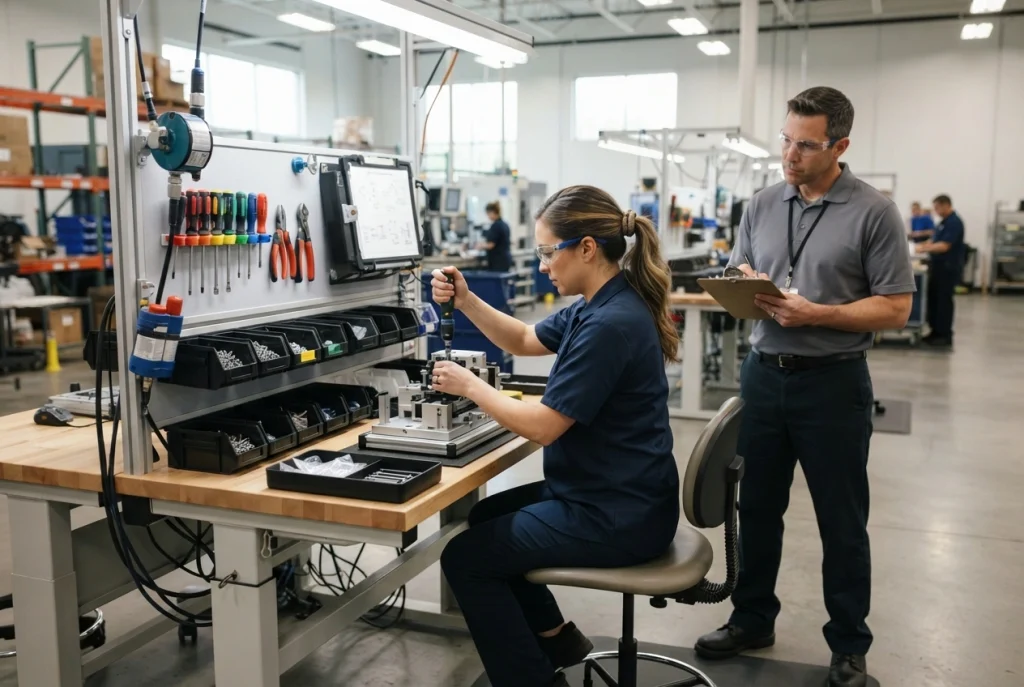
Industrial engineering offers many opportunities to improve efficiency, productivity, and performance, but the work is not easy. The main challenges in industrial engineering come from solving complex problems that involve people, technology, business strategy, and fast-changing markets. Every decision can affect several parts of an organisation at once. This article explains 10 real challenges in
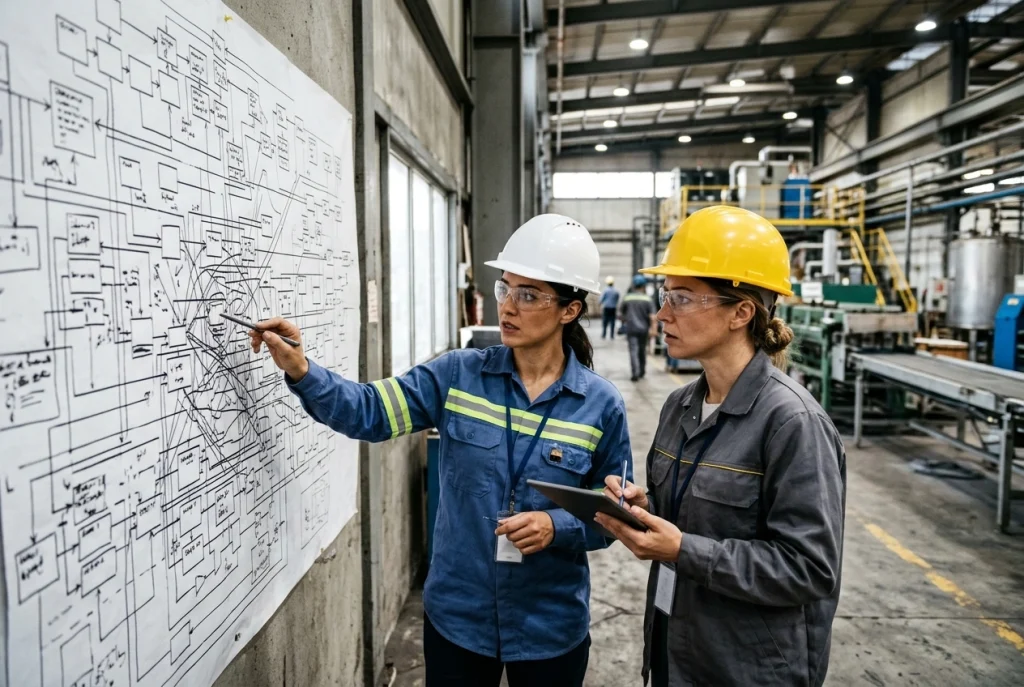
The success of industrial engineering rests on a set of guiding ideas that shape how engineers analyse problems, design systems, and improve performance. The core principles of industrial engineering apply to every project, whether it optimises a factory, improves patient care in a hospital, streamlines a supply chain, or enhances service in a retail business.
One of the biggest advantages of an industrial engineering career is its versatility. Unlike disciplines tied to a single sector, industrial engineers are needed almost everywhere. Any organisation that wants to improve productivity, reduce cost, raise quality, or optimise operations can benefit from one. This guide covers the main industries that hire industrial engineers, what
Becoming a successful industrial engineer takes more than technical knowledge. Industrial engineers work with people, technology, data, and business processes every day, so the skills needed to become an industrial engineer combine analytical ability with communication, leadership, and creativity. Some roles focus on calculations and analysis, but most involve working with employees, managers, suppliers, and
The benefits of industrial engineering reach businesses, employees, customers, and society. By improving processes, optimising resources, and solving operational problems, industrial engineers help organisations perform better without sacrificing quality or safety. In a competitive market where companies must deliver better products, faster service, and lower costs, those benefits are more valuable than ever. This article
Industrial engineers rely on a wide range of tools and techniques to analyse systems, solve operational problems, and support better decisions. Some tools identify problems, others help design solutions, and others monitor performance after an improvement is made. This guide explains 15 industrial engineering tools and techniques, what each one does, and when to use
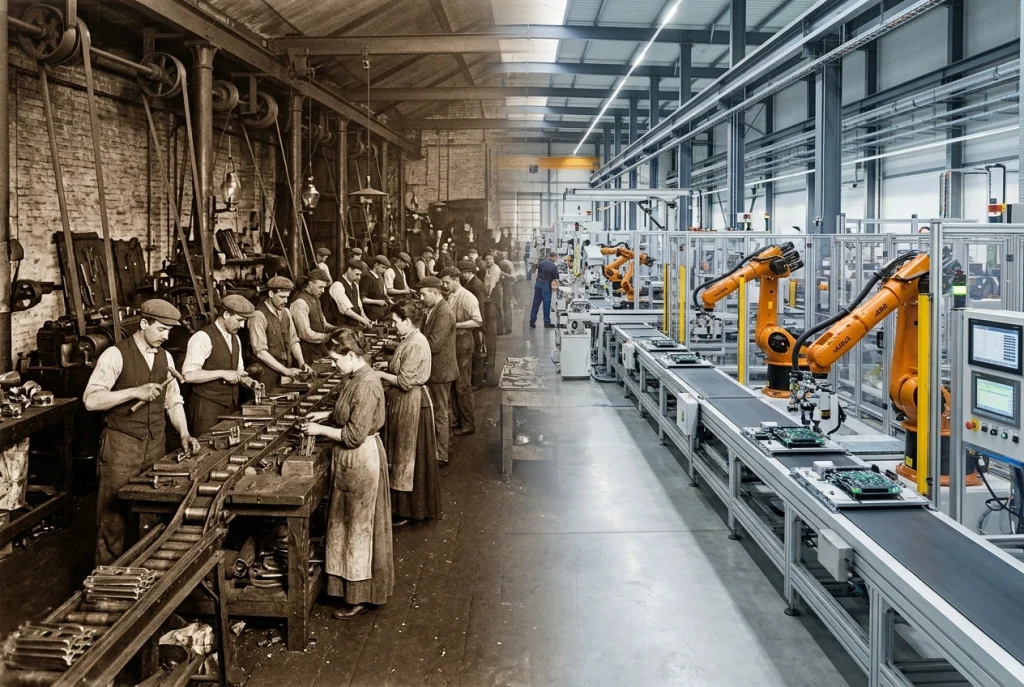
The history of industrial engineering is a story of people searching for better ways to organise work. The discipline took shape in the late 19th and early 20th centuries, but its basic ideas, such as planning, coordination, and efficient use of resources, are much older. This article walks through eight milestones in the history of
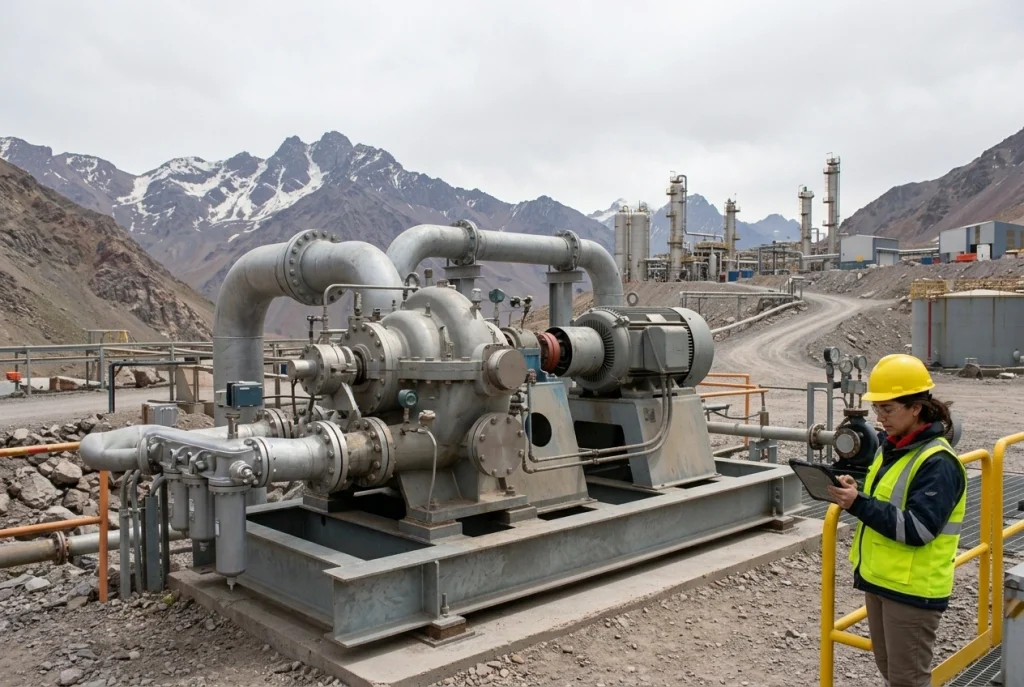
In turbomachinery design, from centrifugal pumps and axial compressors to expander turbines, engineers have always looked for a safe shortcut to predict machine performance away from the original test point. For decades, that shortcut has been the affinity laws: simple, elegant, and easy to memorise. Yet behind their simplicity lies an assumption that is often
Turbomachinery Design Briefing: Real-Gas Solvers vs Affinity Laws Read More »
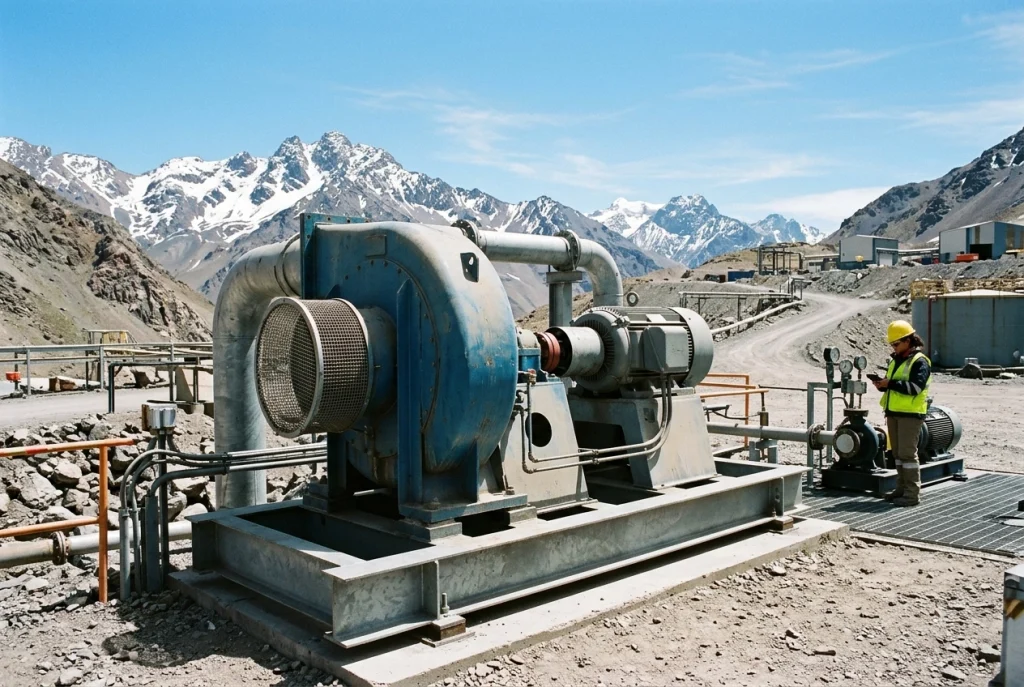
Every rotating equipment engineer eventually leans on the affinity laws, whether sizing a motor for a new blower package, evaluating a speed change on an existing fan, or estimating how a pump will behave after a diameter trim. The appeal is obvious: three simple relationships let you scale flow, head, and power without running a
Density Correction Affinity Laws: Pressure, Power and Motor Sizing Read More »
If you are new to the oil and gas industry, online oil and gas training for beginners can be a practical way to build foundational knowledge before pursuing a specialised career. The best courses explain fundamental concepts clearly, introduce industry terminology, and show how exploration, production, processing, transportation, and safety fit together. For beginners, the